
Photographed on 4 January 2006
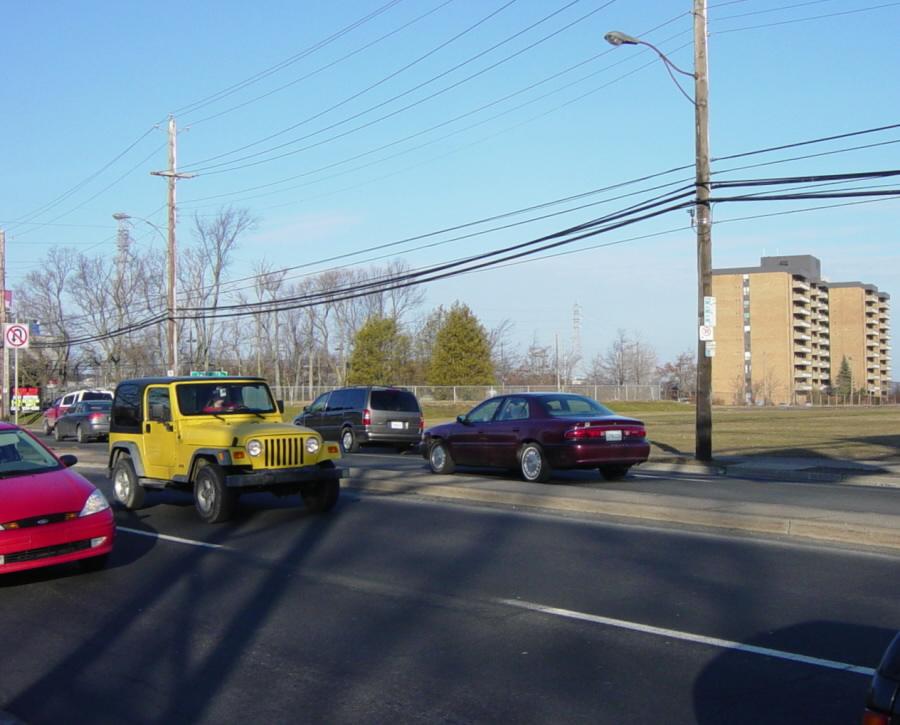
Located on the north side of Bayers Road,
about 40m east from the railway overpass.
GPS location: 44°39'13"N 63°37'25"W
Google map
Photographed on 4 January 2006

Photographed on 4 January 2006

Photographed on 4 January 2006

Photographed on 4 January 2006

Photographed on 13 January 2006
Photographed on 13 January 2006
Links to Relevant Websites
Halifax Explosion by Wikipedia
Photograph, Public funeral of unidentified dead
Photograph, Protestant service at funeral of unidentified dead
Photograph, Roman Catholic service at funeral of unidentified dead
Canadian Disasters, An Historical Survey
|
Two days and five flights took Hubert Hall from Yarmouth County nearly to the shores of Antarctica.
On a small piece of land in the Falkland Islands, he got in a Land Rover and drove another three hours over rocky coast and peat bogs.
And there — 11,000 kilometres from Halifax — was something with great historical significance for the city, though few human eyes have seen it.
A ship once called the Imo, a smallish ocean liner later converted into a whale oil carrier, has lain there wrecked for 90 years.
Once upon a time, its pilot stubbornly refused to give way for another ship in the Narrows of Halifax Harbour, and the other ship's pilot also navigated sloppily. The Imo ground into the side of the Mont Blanc, where the sparks started a fire.
About 20 minutes later, on Dec. 6, 1917, the explosion of the other ship's volatile cargo laid waste to two square kilometres of the city, killed almost 2,000 and injured 9,000.
Though memorials to the Halifax Explosion dot the city and its lessons are taught in schools, few Nova Scotians know that one ship survived, was patched up and went on to a new career in the South Pacific.
And only a very few dogged travellers have visited the last remnants of that ship, where it was finally grounded off the Falkland Islands in 1921. In mid-November, Hall, a retired Marine Atlantic captain, became one of them while in the Falklands for a tour with his wife.
Getting to the wreck meant passing a colony of majestic king penguins, but they were just a side attraction, said Hall. "It was pretty exciting," he said.
"The tide was down low enough that we could see what they think is the boiler sticking up out of the water, about 200 metres offshore. And looking around on the rocks there was this big anchor and piles of anchor chain and some other small bits and pieces.
"It's such an important part of Halifax and Nova Scotia's history, and here I am looking at it and sitting on it, really."
The Imo's end off the Falklands is well documented, said Richard MacMichael of the Maritime Museum of the Atlantic in Halifax.
"Everyone knows what happened to Mont Blanc because people were finding pieces of the ship," he said.
"But for Imo, her story goes on and not a lot of people know it. And that's unfortunate because, in all four of her lives, she had a really interesting career."
The Imo was blown ashore in Dartmouth by the explosion, with its captain and bridge crew killed. But by the following July, it was back in the water and heading to New York for repairs. The name was changed to the Guvernören, and it was sent south, never to return to Halifax.
The Imo saw a lot in its 32 years. Built in 1889 by White Star, the same company that built the Titanic, it was first called the SS Runic, then the Tampican, and transported passengers on the Atlantic. In 1912, it was sold to Norway's South Pacific Whaling Company.
The owner of the company, Johan Martin Osmundsen, tried to name the ship with his own initials — JMO — but when people started calling it Imo, the name stuck, said MacMichael.
After the explosion, it was sold to another Norwegian company.
Superstition around the huge loss of life in Halifax wouldn't stop anyone from taking on the Imo in a "waste not, want not" era, MacMichael said. After all, even the lifeboats from the Titanic were quietly put back into circulation after a new paint job.
"For anyone that was looking to add a ship to their fleet, here's a vessel that's had a little bit of damage — pick it up, dust it off and send it back out in the water again," he said...
Halifax Explosion vessel's remnants lie in Falklands
— Halifax Chronicle-Herald, 6 December 2011
 Halifax City Hall Halifax
 Halifax war memorial The Cenotaph, Grand Parade
 Fort Massey Cemetery Halifax
 Old Burying Ground plaque Halifax
 Welsford-Parker monument, Crimean War Halifax
 Deadman's Island Northwest Arm, Halifax
 Sailor's Statue, Sackville Landing Halifax
 Norwegian memorial, Sackville Landing Halifax
 Captain James Cook monument Halifax
 Alexander Keith monument Camp Hill Cemetery, Halifax
 Joe Cracker, HMS Tribune plaque Herring Cove
  Hits per calendar month
       2011 Nov     97
       2011 Oct     88
       2011 Sep     72
       2011 Aug     65
       2011 Jul     69
       2011 Jun     70
       2011 May     90
       2011 Apr     96
       2011 Mar     95
       2011 Feb     94
       2011 Jan    123

       2010 Dec    111
       2010 Nov     99
       2010 Oct    135
       2010 Sep    116
       2010 Aug     55
       2010 Jul     85
       2010 Jun     86
       2010 May      -
       2010 Apr      -
       2010 Mar    118
       2010 Feb    123
       2010 Jan    103

       2009 Dec    235
       2009 Nov    124
       2009 Oct    102
       2009 Sep     83
       2009 Aug     55
       2009 Jul     77
       2009 Jun     90
       2009 May    103
       2009 Apr    165
       2009 Mar    198
       2009 Feb    153
       2009 Jan    170

       2008 Dec    131
       2008 Nov    152
       2008 Oct    188
       2008 Sep    167
       2008 Aug     80
       2008 Jul    120
       2008 Jun    175
       2008 May    198
       2008 Apr    276
       2008 Mar    302
       2008 Feb    208
       2008 Jan    218

       2007 Dec    335
       2007 Nov    143
       2007 Oct    125
       2007 Sep    118
       2007 Aug     73
       2007 Jul     72
       2007 Jun     81
       2007 May    128
       2007 Apr    175
       2007 Mar    143
       2007 Feb    126
       2007 Jan    143

       2006 Dec    630
       2006 Nov    187